Why Nobody Uses Apple Intelligence
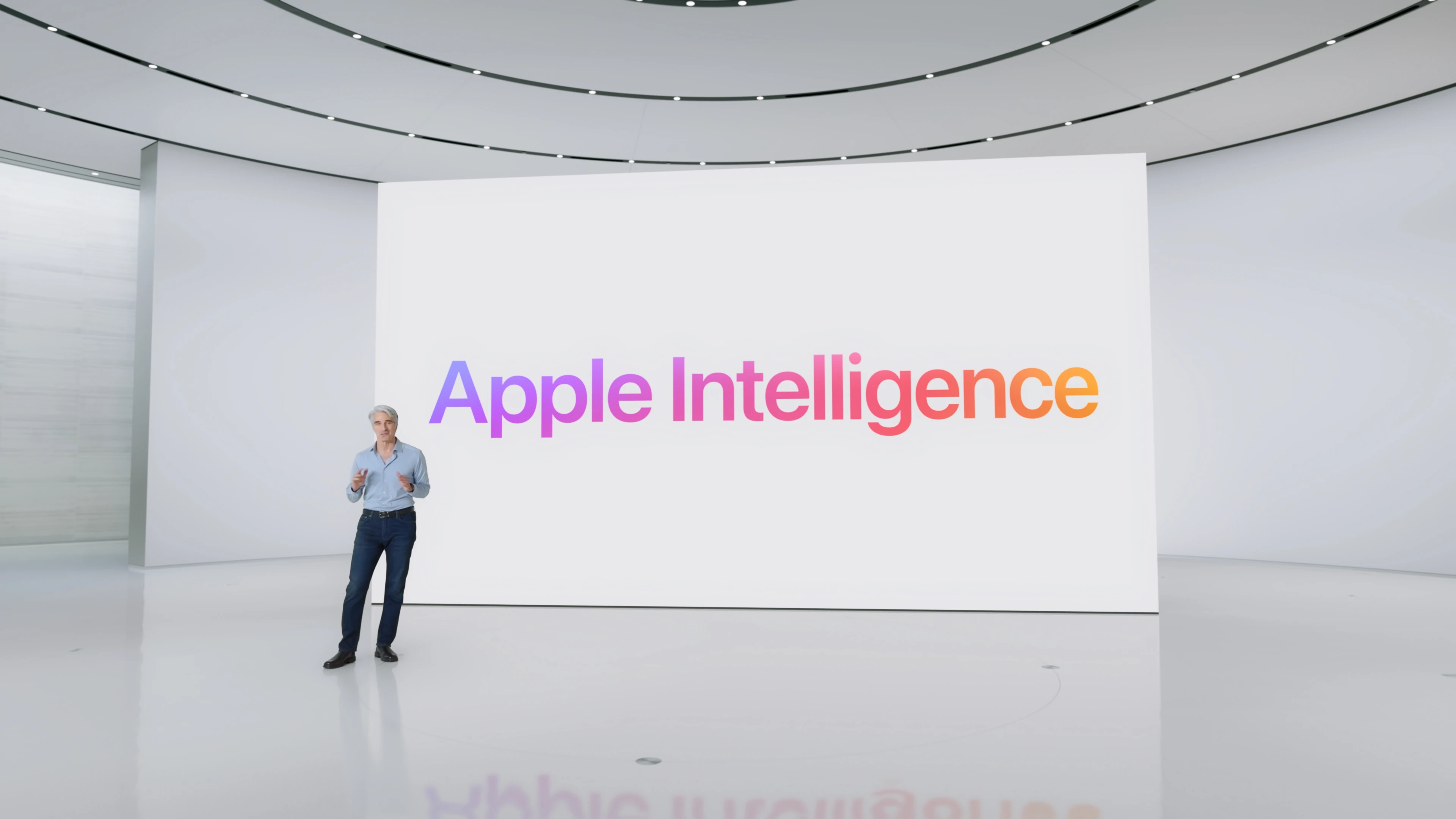
Why Nobody Uses Apple Intelligence
Apple spent years building Apple Intelligence, its answer to the AI revolution. It built dedicated servers, launched Private Cloud Compute, and integrated AI features across iOS, iPadOS, and macOS.
But there is a problem.
People are barely using it.
Recent reporting indicates that Apple’s AI infrastructure is dramatically underused, with some internal servers sitting idle in warehouses because demand is far lower than expected.
For a company that just entered the AI race, that is a surprising situation.
Apple built the infrastructure first
Apple approached AI differently from companies like Google or OpenAI.
Instead of pushing everything into massive cloud clusters, Apple designed a hybrid model:
simple AI tasks run directly on your device
more complex requests run on Private Cloud Compute, Apple’s privacy-focused server infrastructure
The idea was simple: bring AI features to users without sacrificing privacy.
To support this, Apple built large numbers of specialized servers powered by Apple Silicon chips. But according to recent reporting, these systems are currently operating at around 10% capacity on average.
In other words, Apple built a highway for AI traffic that has barely any cars on it.
Why Apple Intelligence isn’t taking off
There are several reasons why adoption remains low.
1. The features are still limited
Apple Intelligence today mostly focuses on small productivity features:
text rewriting
summaries
image generation
notification prioritization
Siri improvements
These are useful, but they are not the kind of tools that fundamentally change how professionals work.
Many users simply try them once and move on.
2. Siri is still behind
A big part of Apple’s AI strategy depends on a new version of Siri.
But that version has been delayed multiple times.
The most powerful AI features Apple promised, including a conversational Siri capable of handling complex tasks, still have not shipped.
Without that centerpiece, Apple Intelligence feels incomplete.
3. Apple is moving slower than the rest of the AI industry
Companies like OpenAI, Google, and Anthropic release new models constantly.
Apple moves much more cautiously. That means Apple Intelligence evolves slower, which makes it harder to compete with tools people already use every day.
Ironically, Apple’s strength in privacy and reliability also slows down experimentation.
Apple may even rely on Google to run Siri
Because Apple’s internal infrastructure is struggling to keep up with the latest AI models, reports say Apple is now exploring running future Siri services on Google servers.
This would be a big shift.
Apple’s AI servers are reportedly underpowered for the newest frontier models, while companies like Google already operate massive LLM infrastructure.
So the company may rely on Google’s data centers while still trying to maintain Apple-level privacy standards.
That is a complicated balancing act.
The real issue: most people don’t need AI assistants
Another reason adoption is low is simple:
Many people still do not know what to actually use AI for.
Summarizing messages or rewriting emails is nice, but it does not fundamentally change how you work with your data.
Where AI becomes truly powerful is when it can interact with your entire knowledge base:
documents
PDFs
slides
screenshots
recordings
notes
archives
That is where AI starts saving hours of work.
And that is something Apple Intelligence does not really do yet.
The opportunity: private AI on your own machine
This is where local AI becomes interesting.
Instead of sending your files to cloud providers, modern Macs are powerful enough to run AI models directly on-device.
That means you can:
search inside thousands of files instantly
ask questions about your documents
extract information from PDFs or slides
summarize recordings or meetings
All without uploading your data to external servers.
That is the model tools like Fenn are built around.
Privacy is the real advantage
Ironically, Apple Intelligence being underused may not be a failure.
It might simply mean that the real AI revolution is moving somewhere else.
Not in the cloud.
But on your own computer, where your files stay yours.
For professionals dealing with confidential information, that difference matters.
Because when AI runs locally, you do not have to ask whether your data is being stored, reviewed, or used for training.
You already know the answer.
It never leaves your machine.