Apple Accidentally Built the Perfect AI Computer
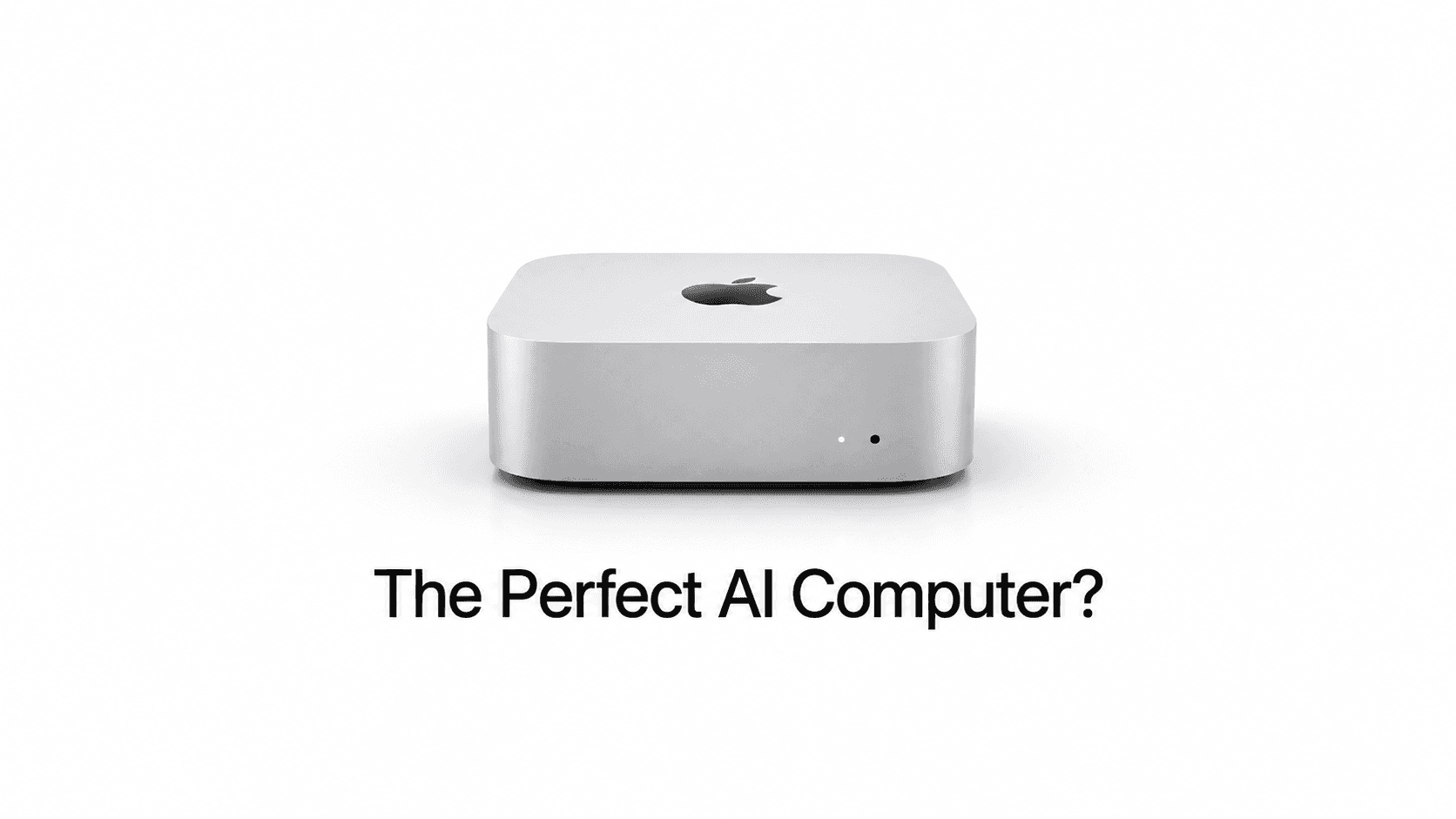
Apple has spent the last few years looking surprisingly behind in AI software.
Meanwhile, it may have accidentally built some of the best hardware for the AI future that matters most to us:
AI that runs on your own computer.
The Mac mini and Mac Studio are becoming increasingly popular for running AI models and agents locally.
The funny part?
This does not seem to have been the original plan.
Apple Silicon was not built for LLMs
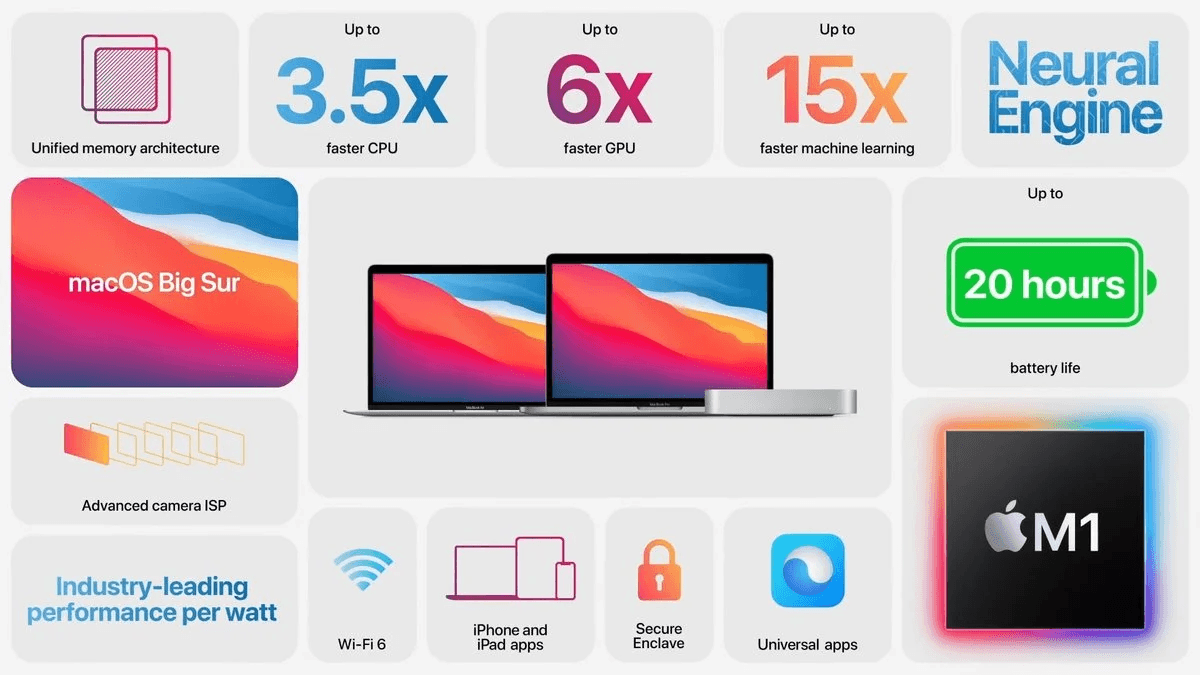
When Apple introduced the M1 in 2020, there was no ChatGPT.
Apple talked about performance.
Battery life.
Efficiency.
And something called unified memory.
Instead of giving the CPU and GPU completely separate pools of memory, Apple designed its chips so different parts of the computer could efficiently access the same memory.
At the time, this was mostly presented as a way to make Macs faster and more efficient.
Then large AI models arrived.
And suddenly that architecture became incredibly useful.
AI models need a lot of memory. Giving the processor one large shared pool makes it possible to run surprisingly capable models directly on a Mac.
Apple did not build unified memory because everyone would soon be running language models at home.
But it turns out to be extremely good for exactly that.
AI companies noticed before most consumers did
According to The Information, AI labs and companies are now buying Mac mini and Mac Studio machines in large quantities.
The publication reports that OpenAI has purchased tens of thousands of them for work including reinforcement learning and computer-use agents.
Anthropic reportedly rents Mac minis through AWS.
New companies are even appearing specifically to provide cloud infrastructure built from Apple hardware.
The humble Mac mini has somehow become AI infrastructure.
That is not something many people would have predicted a few years ago.
The Mac mini is almost made for AI agents
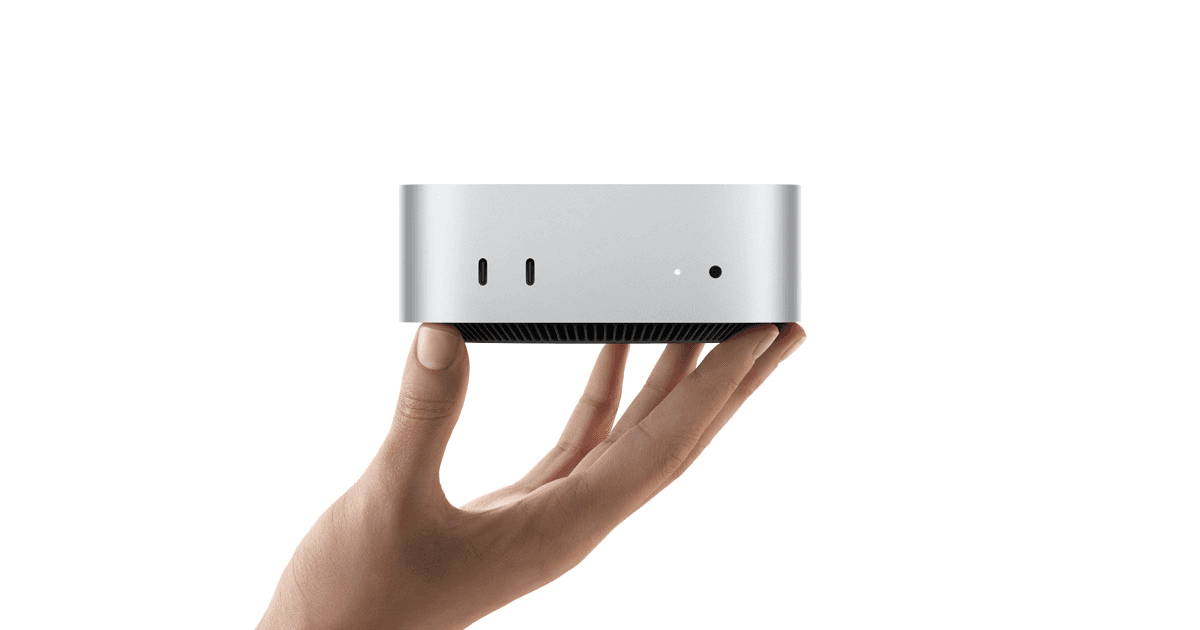
Think about the Mac mini.
It is small.
Quiet.
Efficient.
It does not need its own display.
It can stay powered on all day.
That is almost the perfect form factor for an AI agent running quietly in the background.
The Information reports that the Mac mini became the “darling” of an Apple enterprise event earlier this year as Apple demonstrated more local AI workflows.
What started as Apple’s affordable little desktop is becoming something else:
a small personal AI computer.
And Mac Studio takes the idea much further
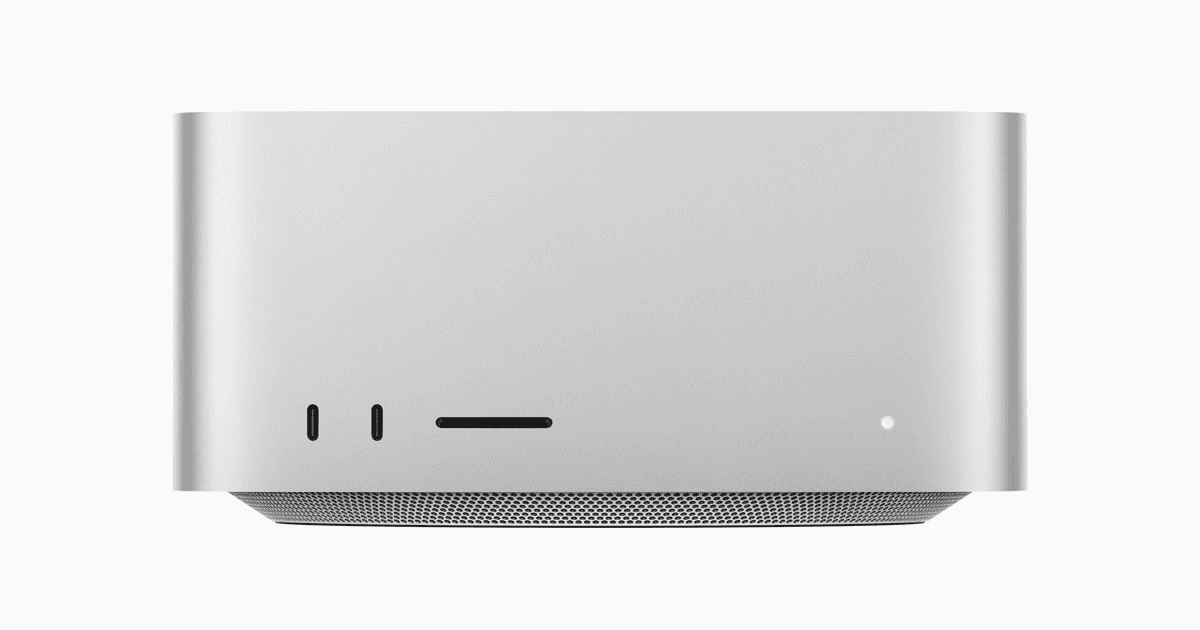
Mac Studio pushes this concept into a completely different category.
Apple now explicitly describes the Mac Studio as a desktop for on-device AI and says its latest machines can run enormous language models locally.
You can even connect multiple Mac Studios together for larger AI workloads.
That is a remarkable change in positioning.
Apple is no longer simply saying:
“Our Macs happen to run AI.”
It is effectively saying:
Run serious AI on your own hardware.
Apple seems to have realized what it built
This is where the story becomes especially interesting.
According to The Information, the surge in enterprise demand for Macs as AI hardware caught Apple somewhat by surprise.
The company was not originally organized around becoming an enterprise AI infrastructure provider.
But the market found the use case anyway.
Developers discovered the machines.
AI labs started buying them.
Local AI tools became better.
Then Apple started paying attention.
Its latest Mac mini announcement talks directly about running local models and always-on AI agents.
Its Mac Studio announcement talks about running massive models entirely on-device.
What was once an accidental advantage is quickly becoming part of Apple's strategy.
Why local AI matters
The interesting part is not simply that a Mac can run a chatbot.
It is what happens when the AI stays on the same computer as your data.
Your contracts.
Your research.
Your source code.
Your financial documents.
Your emails.
Your personal archive.
Your company files.
With cloud AI, your information has to travel to somebody else's infrastructure.
With local AI, the model can come to the data instead.
That means more privacy.
More control.
No per-token API bill.
No dependency on whether a cloud provider keeps offering a particular model tomorrow.
For confidential work, that is an entirely different AI architecture.
This does not mean Macs replace Nvidia
There is an important distinction.
Apple has not suddenly replaced Nvidia for enormous AI training clusters.
That is not what Macs are best at.
The interesting competition is happening somewhere else.
Local AI.
AI that runs on your desk.
AI agents that stay active on your own hardware.
Models that can work with private information without requiring that information to constantly leave your computer.
That is the space where Apple Silicon has become surprisingly compelling.
This is also why we built Fenn for local AI
This direction is one of the reasons Fenn is local by default.
Having a powerful local model is useful.
Giving that model private access to the information you actually work with makes it much more useful.
Fenn makes the files and anything you saw on your Mac searchable locally, so local AI can help you work with documents, images, notes, email archives, audio, video, and other private information without requiring the whole workflow to move into the cloud.
But Fenn is only one example.
The bigger story is what Apple has accidentally enabled.
The bottom line
Apple wanted to build fast, efficient computers.
It created Apple Silicon.
It created unified memory.
Then the AI industry changed.
Suddenly the same architecture became extremely useful for running large models locally.
Developers noticed.
AI labs noticed.
Enterprises noticed.
Now Apple has noticed too.
For all the criticism Apple has received about falling behind in AI software, there is an irony here:
Apple may have accidentally built the perfect computer for an AI future where your intelligence runs locally and your data stays yours.